
artinbuildings.org Storage Solutions Logo artinbuildings.org Contact Us
Contact Us
Storage Design

Victorian Terrace Storage: Respecting Period Features

Original cupboards, alcoves, and recesses hold real character. We show you how to modernize these spaces without losing their charm — and where you can hide storage without damaging the period look.

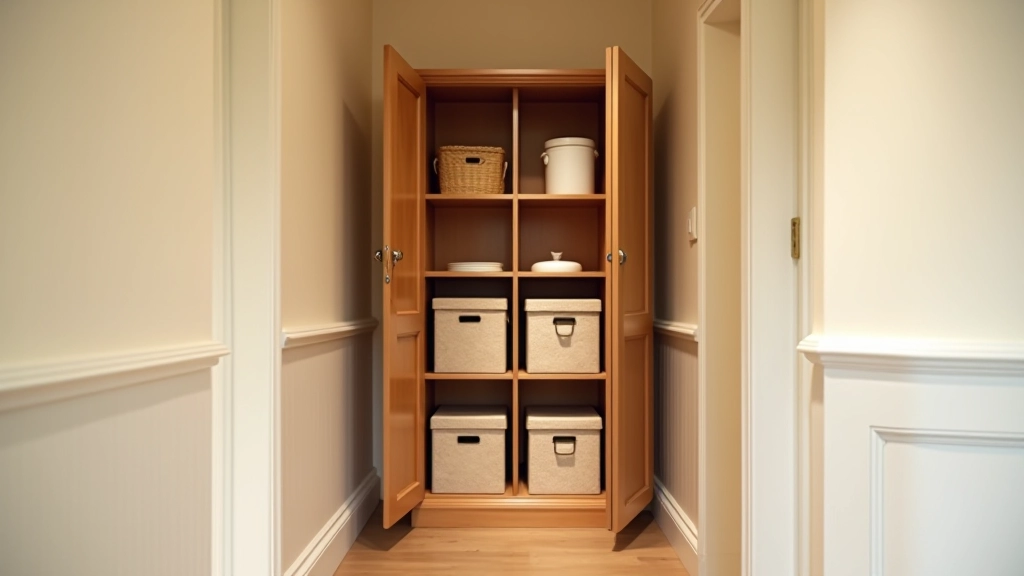
Victorian terrace hallway featuring restored period storage cupboard with traditional paneling and modern internal organization system
Margaret Thornton, Senior Storage Design Consultant
Author

Margaret Thornton

Senior Storage Design Consultant

The Challenge: Working With Original Features

Victorian terraces aren't known for spacious interiors. Most were built between 1880 and 1910, when homes were compact by design. What they do have, though, is character — original skirting boards, cornicing, fireplaces, and built-in cupboards that have survived a century or more.

The problem? Those original cupboards are often shallow, awkwardly positioned, or filled with items the previous owners left behind. And modern storage solutions — those sleek floating shelves and minimalist systems — can look jarringly out of place against period plasterwork.

Here's the good news: you don't have to choose between period charm and modern storage. You can work within the existing architecture, enhance what's already there, and add hidden storage that respects the home's age. We've done this dozens of times, and it's entirely possible.

Key insight: The most effective Victorian storage solutions hide the fact that they're storage at all. They blend in. They look like they've always been there.
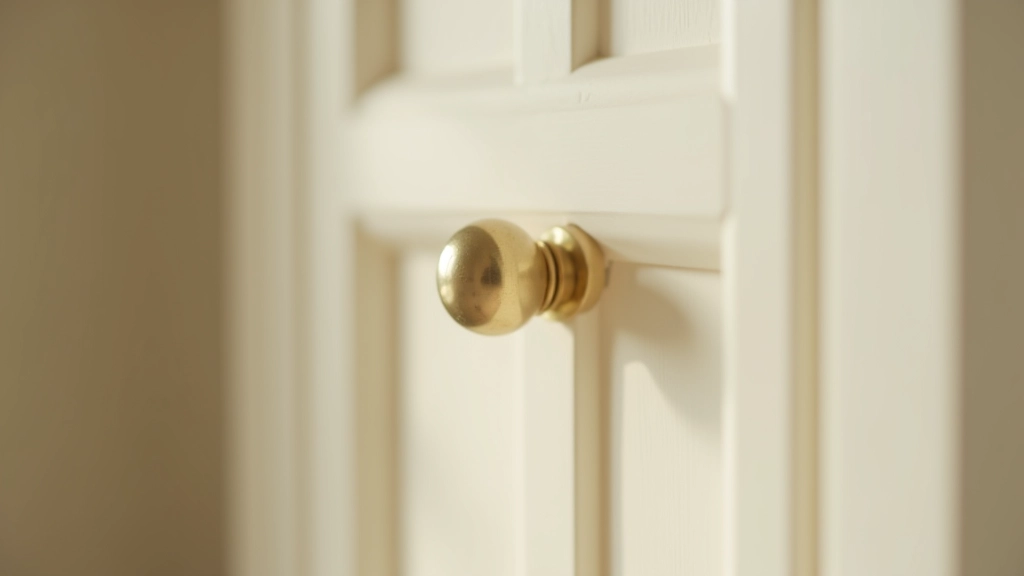
Close-up of traditional Victorian cupboard door with original brass hardware and period-correct paneling detail
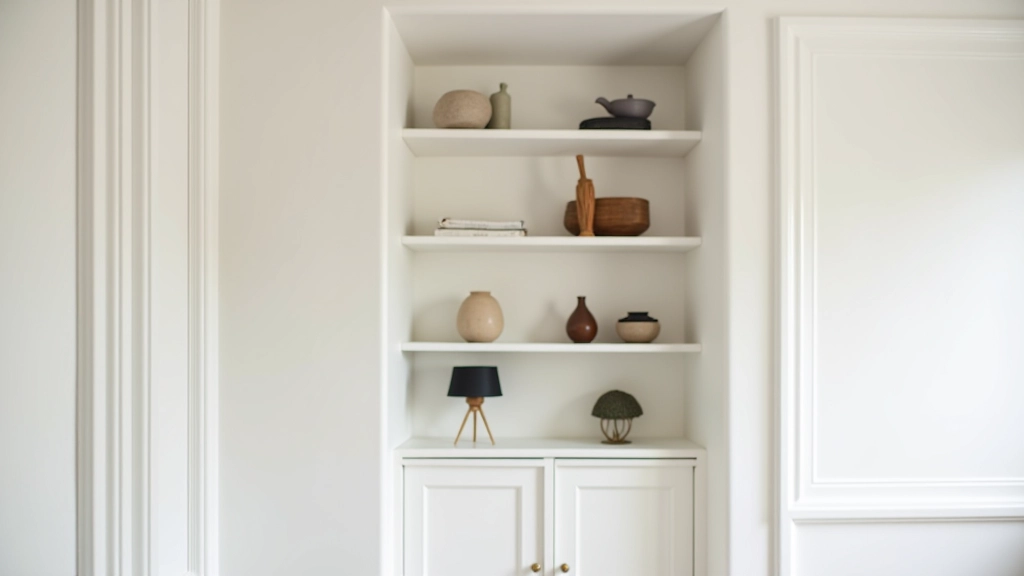
Victorian alcove space with recessed shelving fitted flush with original wall plaster and cornicing, containing vintage and modern objects

Maximizing Alcoves and Recesses

Most Victorian rooms have at least two alcoves — the spaces on either side of the chimney breast. They're usually about 75–90 cm wide and recessed about 20–25 cm into the wall. These are gold for storage, but only if you treat them right.

Rather than installing free-standing units, fit shelving that sits flush with the existing wall. Match the shelf brackets to the room's aesthetic — wrought iron for industrial charm, painted wood for a softer look, or brass for genuine period authenticity. The shelves should sit neatly against the original plaster without damaging the cornicing above.

One detail matters hugely: depth. Victorian alcoves are shallow, so shelves work better than tall cabinets. Use baskets (wicker, wire, or linen) to corral smaller items. A single large basket on each shelf often looks better than five small boxes — it's less cluttered and more in keeping with period homes.

Alcove Storage Steps

  1. Measure the alcove width, depth, and height accurately (use a spirit level)
  2. Choose shelves 20–22 cm deep to avoid blocking light or airflow
  3. Use period-appropriate brackets (iron, wood, or brass)
  4. Paint shelves and brackets to match existing trim or walls
  5. Add baskets for concealed storage and visual warmth

Under-Stair and Cupboard Hacks

Victorian staircases are architectural features. The space underneath is often wasted — dark, awkward, sometimes filled with old pipework or electrical runs. But it's usable, and it's hidden from view when the door's closed.

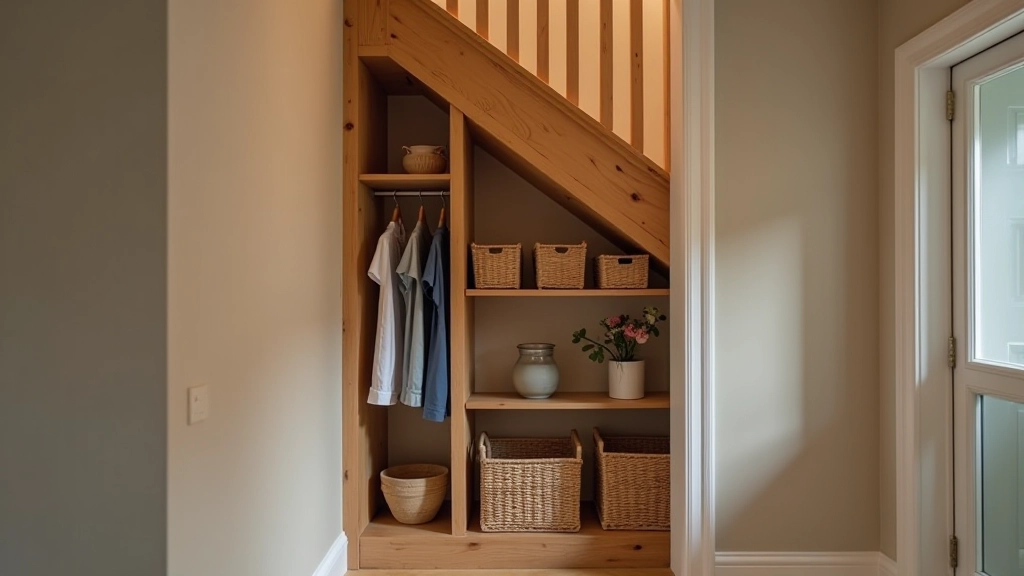
Original cupboards under stairs are typically 60–90 cm tall and around 120 cm wide. That's enough for coats, shoes, vacuum cleaners, and seasonal items. The trick is internal organization: install a rail for hanging, add a shelf or two for boxes, and use drawer dividers or pull-out baskets so you're not rummaging in the dark.

If the cupboard door's original and functional, keep it. Paint it if you like, but preserve the hardware — those original brass latches and hinges are authentic. If it's damaged beyond use, replace it with something that echoes the period: simple five-panel doors in softwood, or reclaimed period-style doors from salvage yards.

Under-stair cupboard with organized interior showing hanging rail, baskets on shelf, and clear access to stored items without damage to original staircase structure
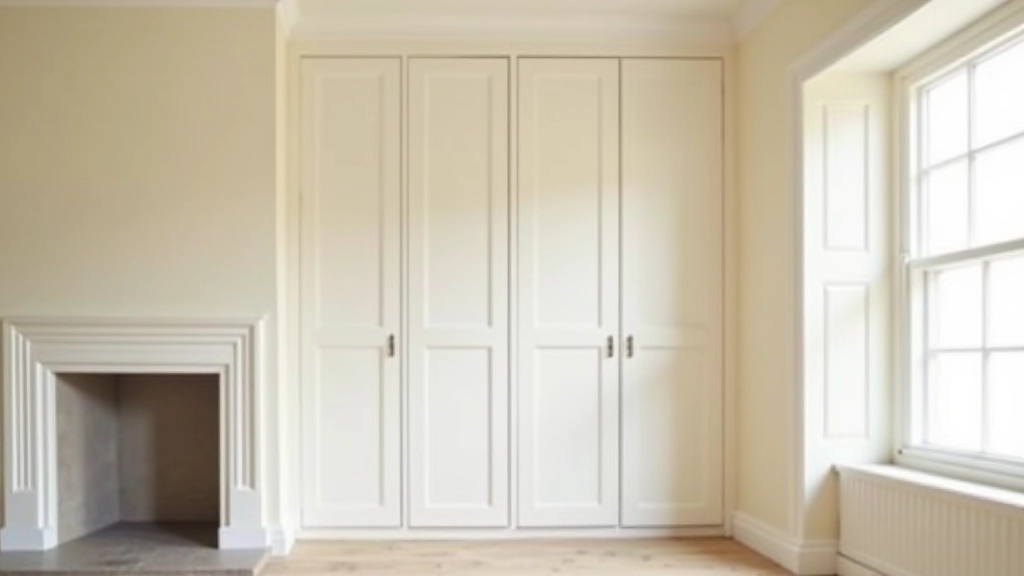
Built-in wardrobe with period-style doors fitted between chimney breast and corner, preserving wall proportions and original architectural lines

Fitted Wardrobes and Cupboards

Bedrooms in Victorian terraces are typically narrow — maybe 3.5 m long by 3 m wide. Built-in wardrobes make sense here. Rather than freestanding furniture, fit cupboards between the chimney breast and the corner of the room, or along one entire wall.

The key is doors. Victorian homes have door proportions and panel styles that feel balanced. Fit simple five-panel doors (or recessed panel doors for a more authentic look) rather than slab modern doors. Paint them to match the room — often the same colour as the walls, or the same shade as the skirting for subtle definition.

Inside, use modern fixings — adjustable shelves, hanging rails, and drawer dividers. Nobody will see them, and they're far more practical than original solutions. Your clothes will thank you, and the room will keep its period character from the outside.

What NOT to Do

There's a temptation with period homes to strip them back to "authentic" finishes and hide all modern comforts. Storage is where this approach backfires. You can't live in a beautiful but impractical space — and you shouldn't have to.

Common Mistakes to Avoid

  • Don't install modern flat-pack shelving in original alcoves. It looks jarring and wastes the alcove's depth. Fit shelves properly with period-appropriate brackets instead.
  • Don't remove original cupboard doors for open shelving. Once they're gone, you've lost them forever. If you want open shelving, add it elsewhere.
  • Don't damage plaster or cornicing for fixings. Use cavity wall fixings where possible, or consult a specialist if the wall is solid brick and you're unsure.
  • Don't ignore ventilation. Closed cupboards in old homes can trap moisture. Leave gaps or drill small vents if you're sealing spaces.
  • Don't paint over original hardware. Brass latches and iron hinges are character — clean them instead of covering them.
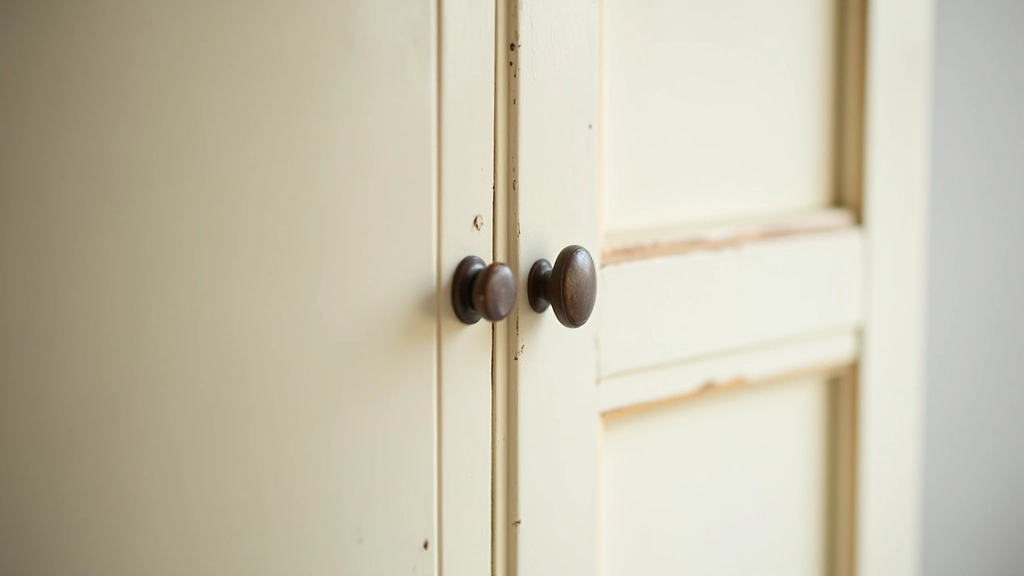
Damaged Victorian cupboard door with dents and worn paint, showing the value of restoration versus replacement

The Real Solution

Victorian terraces aren't naturally spacious. But they've got something better: bones. Original architectural features, proportions that feel right, and spaces that respond well to thoughtful storage design. You don't need to sacrifice character for function — and honestly, the best storage solutions are the ones you don't notice at first glance.

Start with what's already there. Restore those cupboards. Fit shelves properly in the alcoves. Add subtle organization inside. Then, where you need extra storage, build it in a way that respects the period. Your Victorian home will feel better for it — and so will you.

Need personalized advice for your terrace? We can help you plan storage that fits your home's character.

Get in Touch

Disclaimer

This article is informational only and based on general storage design principles. Before making structural changes, fitting shelving, or removing features from a period property, always consult with a qualified surveyor or architect. Listed buildings and properties in conservation areas may have specific restrictions. Building regulations and local planning requirements vary by location. Always verify compliance with your local authority before proceeding with any installation work.