
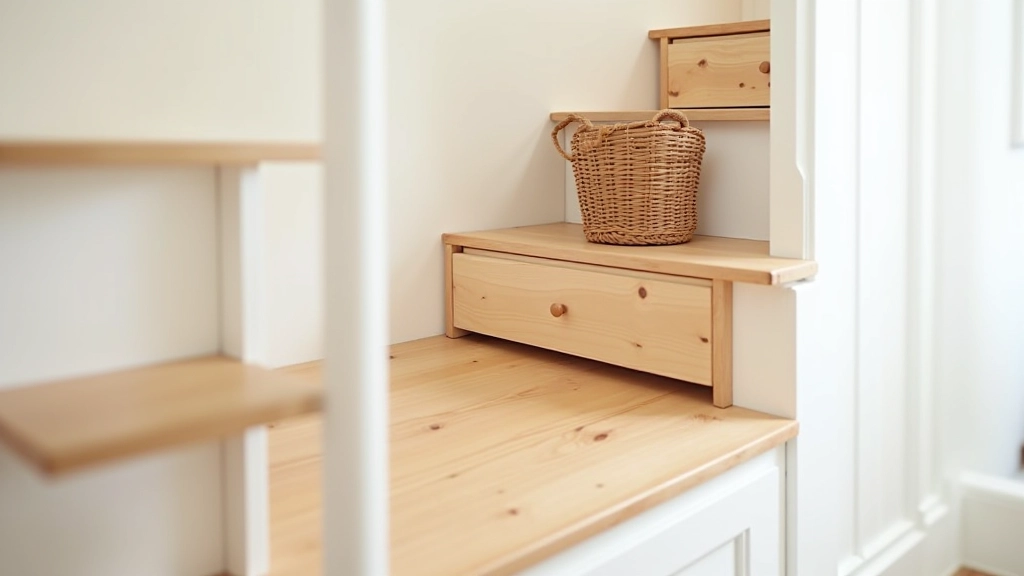
Under-Stairs Storage: From Dead Space to Functional Design
We've covered everything from sliding drawers to pull-out baskets. Most people ignore the space under their stairs—it's actually one of the best places for storage.
Read MoreConverting loft space requires proper planning. We explain load calculations, fixing methods for plasterboard, and which shelving systems won't damage your roof structure.
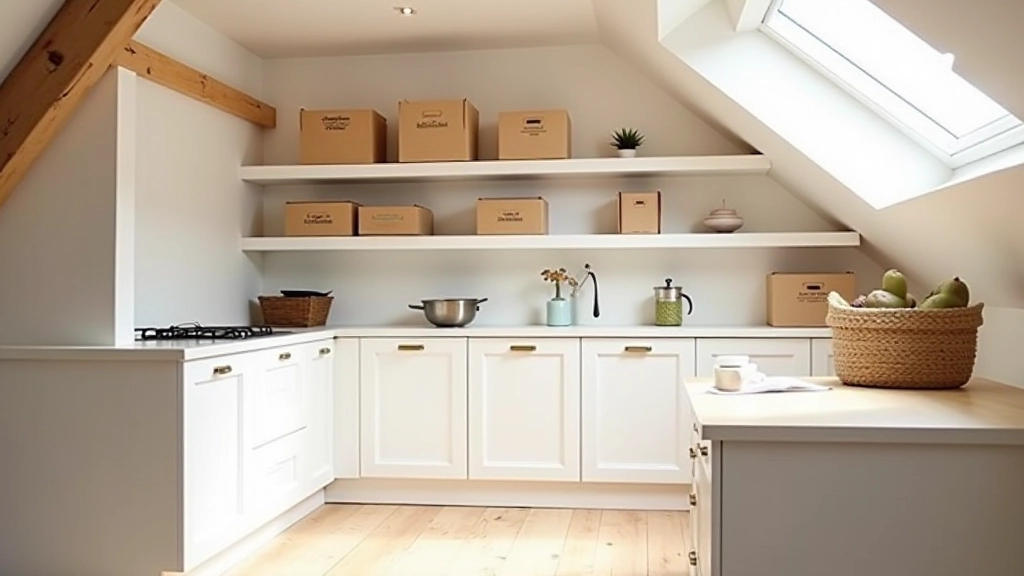

Most people underestimate loft shelving. You throw up some basic brackets, load them with boxes, and hope nothing breaks through the ceiling. It doesn't work that way. We've seen shelves collapse, ceiling joists crack, and entire storage systems fail because nobody did the math first.
Here's the real story: loft spaces have weight limits. Your roof structure wasn't designed to handle 500kg of books and storage boxes in one corner. The plasterboard is just cosmetic—it won't hold anything. The actual strength comes from the joists underneath, and you need to understand where they run and how much load they'll take.
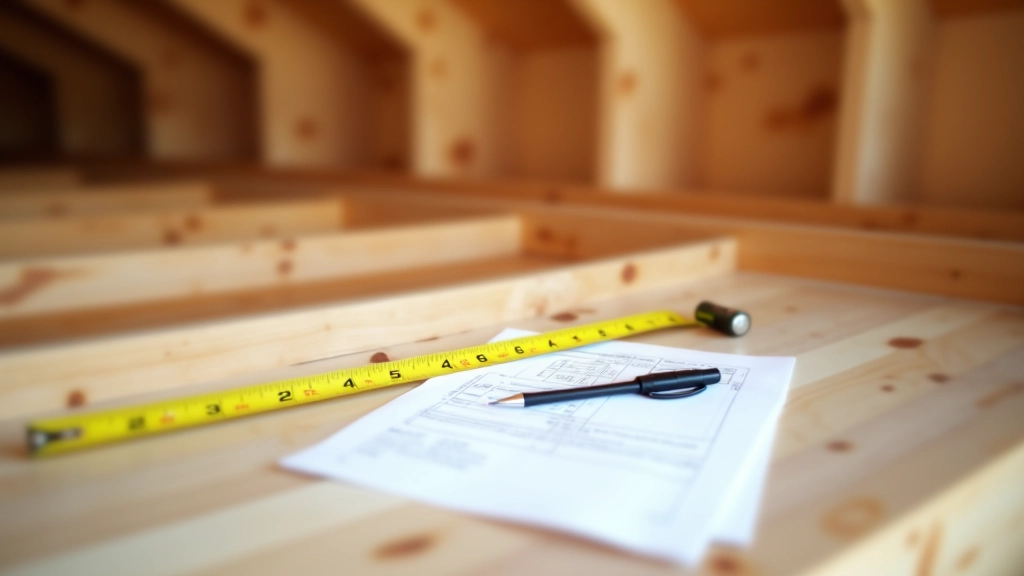
Before you install anything, measure your joist spacing. Most British homes built after 1960 have joists spaced 400-600mm apart. That spacing directly affects how much weight each shelf can safely hold.
The joists themselves are typically 5x2 inches (125x50mm) in older properties, sometimes 5x4 inches (125x100mm) in newer builds. A single joist can support around 100-150kg depending on wood type and condition, but you're not just supporting the shelf—you're supporting whatever goes on it. A shelf spanning three joists (around 1200-1800mm) can handle 60-80kg safely, but add the shelf weight itself and your actual limit drops to 50-70kg.
The Real Rule: Never put more than 40kg on any single shelf in a loft. It sounds restrictive, but it's the difference between a system that lasts 20 years and one that fails in two.

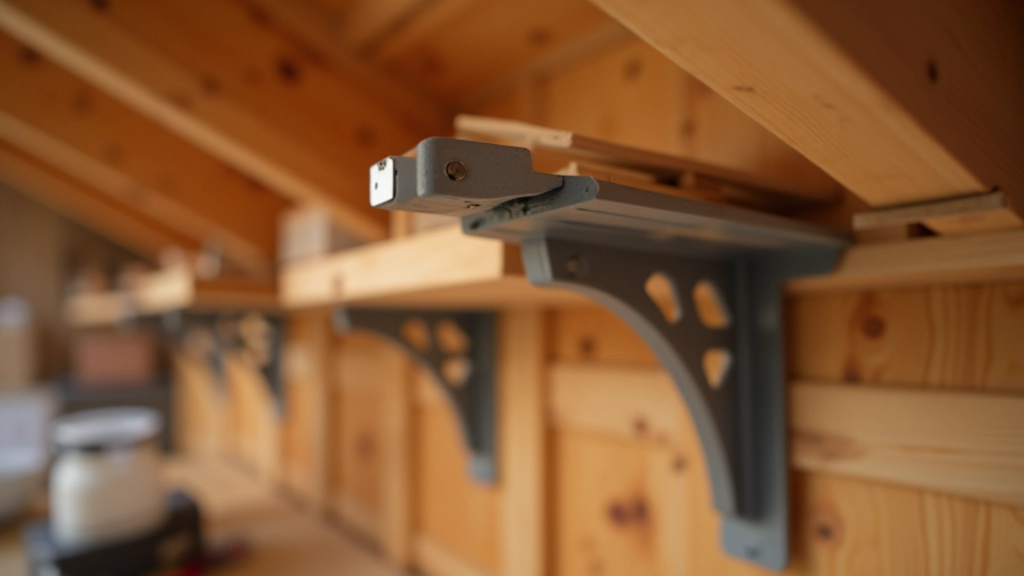
Plasterboard anchors? Useless. They'll rip straight through under any real weight. You need to fix directly into the joists. That means drilling through the ceiling finish (usually plasterboard or lath and plaster) and bolting brackets straight to the wood underneath.
Use 10mm bolts minimum—not screws—with washers on both sides. The washers distribute load across a wider area and prevent the bolt from pulling through the wood. Space your fixing points every 400mm along the bracket. If your bracket is 1600mm wide, you need four fixing points minimum, preferably five.
For heavy loads, consider lag bolts (coach bolts) with a minimum diameter of 12mm. They grip better in timber and won't twist loose over time. Tighten them firmly but don't over-tighten—you'll strip the thread or split the joist.

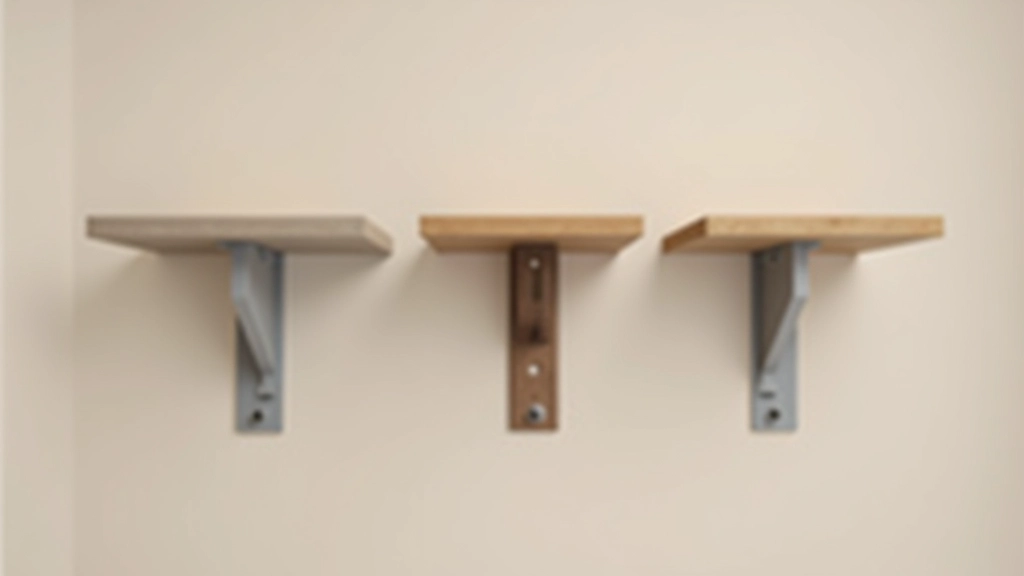
You've got options. Adjustable bracket systems work well if you're not storing anything heavier than books. Metal slotted-angle shelving is stronger and handles weight distribution better. For serious weight, consider steel box-section shelving—it's overkill for most lofts but won't fail under load.
Whatever system you choose, make sure the shelf itself is rigid. Thin plywood will sag under weight even if your brackets are properly fixed. Use at least 18mm solid wood or quality plywood, and ideally add a steel channel underneath for extra support on spans longer than 1200mm.
Don't mix different systems. Pick one brand or type and stick with it. Mixing materials and fixing methods is how shelves fail—one part moves slightly, stress concentrates elsewhere, and suddenly you've got a structural problem.
Loft shelving doesn't have to be complicated. You don't need engineering calculations or professional installation for basic storage. But you do need to understand your joists, calculate realistic weight limits, and use proper fixings. Those three things prevent 99% of loft storage failures.
Spend an afternoon measuring your joist spacing and checking the condition of the wood. Write down the actual span and load you're planning. Then choose a system that matches those numbers. It takes a bit longer at the start, but it's the difference between storage that works and storage that becomes a problem.
Your loft space is valuable. Use it properly, and it'll support your storage for decades. Rush it, and you'll be fixing collapsed shelves or ceiling damage within a few years.
This article is for educational and informational purposes only. Loft conversions and structural modifications involve technical considerations that vary significantly based on building age, construction method, and local building regulations. Always consult with a qualified surveyor or structural engineer before installing heavy shelving systems in a loft space. Building regulations in England, Scotland, Wales, and Northern Ireland differ—check your local authority's requirements before beginning any work. If your property has listed building status or is within a conservation area, additional approvals may be required. The information provided here represents general best practices and should not be considered professional engineering advice specific to your property.